
.png)
Media training for racing drivers: why it matters
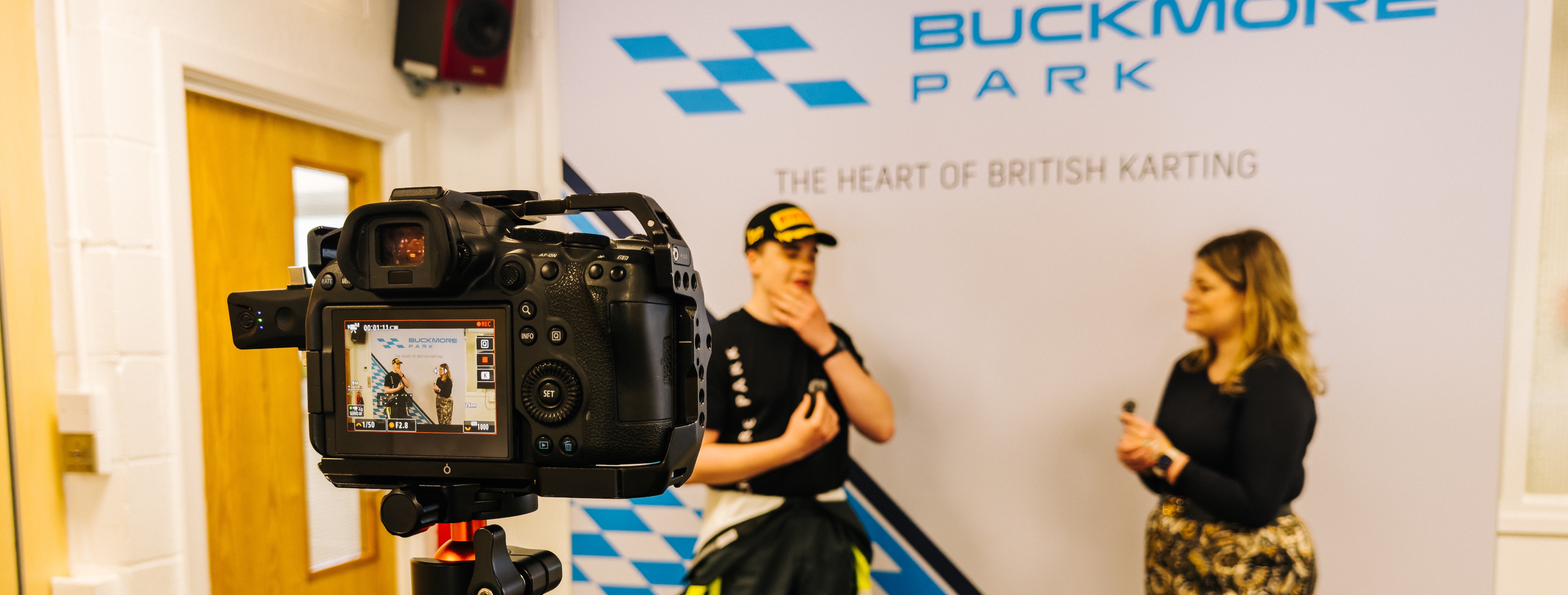
"Yeah, for sure, it was a good race." Most drivers have said something close to this at some point, mic still warm, seconds out of the car. Nine times out of ten, that's down to nerves and no rehearsal, not a lack of things to say.
We build media training around that exact moment. It helps drivers talk clearly and consistently across interviews, on camera and social media, covering what to say, what to hold back and how to stay steady when a question lands sideways. Coming up through the junior ladder, this tends to get a fraction of the attention lap times do, even though it's often the first thing teams, sponsors and fans actually clock.
Understanding what to/ say and what not to say is difficult, there is always someone with a camera, or live mic and often words are spoken in the heat of the moment that don’t reflect a driver, team or organisation.
Media training helps each driver develop their media persona, ensuring they feel just as confident stepping out of the car as they do while racing.
The real problem isn't confidence
We'd argue the paddock after a difficult race is one of the most pressured media environments in sport. Understanding what to say and what not to say is difficult, there is always someone with a camera, or live mic and often words are spoken in the heat of the moment.
The biggest mistake drivers make in media situations is thinking they can wing it. The drivers who come across well in a media pen, whether after a win or a tough session, are the ones who have prepared before they arrived at the circuit.
We create a friendly, low-pressure environment where you can make mistakes, try things out and improve without judgment. Using real camera setups to work on body language, eye contact, tone and presence and how to structure confident answers, so you always feel prepared.
What good media training actually does
There is no use in training that comprises of 80 boring slides, or where you sit back and take notes that you never read again.
The best type of media training gives you hands-on experience, tailored by motorsport professionals, to build a solid foundation that will support you throughout your career.
From structuring an answer under pressure to knowing instinctively what to say and what to hold back, these are the skills that you will draw on at every race weekend from this point forward.
- Structuring post-race debriefs
- Handling difficult or emotional questions
- Talking about sponsors and partners in a way that sounds like you
- Body language, eye contact and delivery on camera
- Staying on-message without sounding rehearsed
- Working out what to say and what not to
It's not about feeling forced, rehearsed or full of polished answers, instead you're fully prepared from having practiced the real situations.
After all, we would rather you get it wrong with us, than in front of a paddock full of cameras!
Who is this for?
For teams, what a driver says reflects on your sponsors and partners directly and at a level where a clip or a post can travel within hours.
Team media training can help keep PR messaging aligned across a full roster of drivers, without everyone sounding like they're reading off the same sheet.
How we approach this
We start with where you actually are right now, so what you're learning can be put into practice straight away. Building a session around you rather than fixed template that makes you seem like a robot.
Media training with us runs on real camera setups and real interview formats, working through body language, tone and structure. You'll leave with footage of your own session, so you can watch it back and see exactly where you've moved on.
It's about making sure your answers don't feel forced, rehearsed or memorised. Good media training helps you speak honestly, without falling back on the same polished line every time. That comes from practising the real situations you'll actually face, such as:
- Post-race interviews, straight off the car, before you've had time to process the result
- Sponsor and partner commitments, where what you say reflects on someone else's brand as well as your own
- Difficult questions after a tough weekend, when emotions are still raw
- Live media pens and paddock walkthroughs, where there's no script and no second take
- Social media moments, where a clip or comment can travel far beyond the room it was said in
We also offer wider PR support for press releases and race coverage, social media management and branding to shape how you look and feel, because how you come across on camera ties straight back to the personal brand you're building over time.
What it won't do
Media training can't promise coverage and it definitely can't promise a specific result.
What it can do is help you hold your own when the moment actually arrives, rather than freezing, oversharing, or undoing weeks of good work in about ten seconds flat.
What helps a karting driver through their first paddock interview looks nothing like what a Formula 2 driver juggling a sponsor event in between track sessions. That's why we don't run a one-size-fits-all training programme.
What to expect from a media training session
Working through the sort of question that turns up after a tough weekend on track. We recreate real formats, real camera setups and real pressure scenarios in a safe setting so that when they happen for real, they already have the tools to handle them.
Get in touch to find out more about our media training packages for individual drivers or teams.
Let's talk

